
Monthly payment options available
Click Here

Tag: crawlspace encapsulation

Crawlspace Encapsulation in Saline City, IN

Improving Indoor Air Quality: The Benefits of Crawlspace Encapsulation

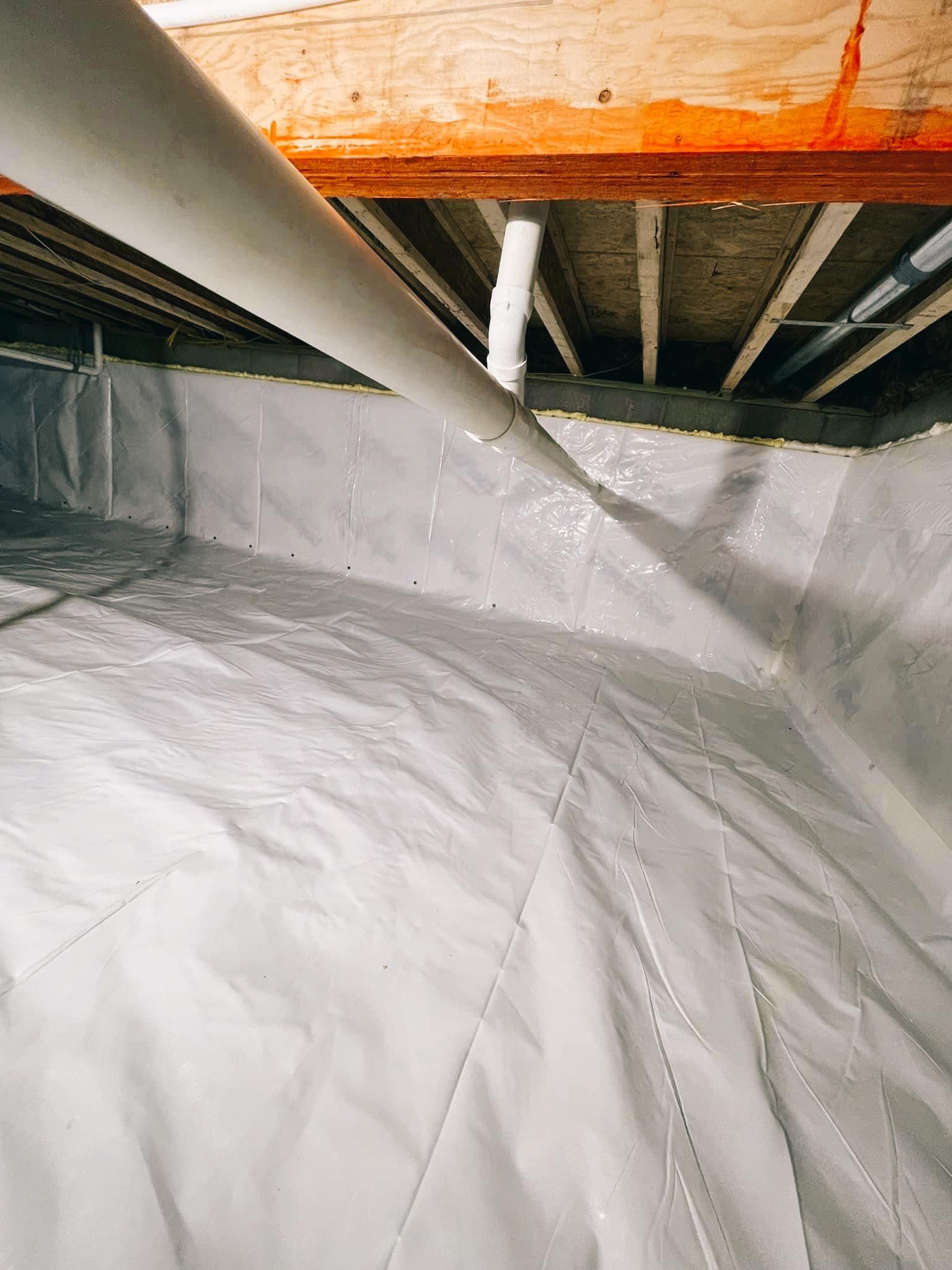
Understanding Crawlspaces A crawlspace is a narrow, unfinished space beneath the ground floor of a building, typically between the foundation and the first floor. It is designed to provide access to plumbing, electrical wiring, and ventilation systems, serving as an essential component of residential construction. These areas, generally just a few feet in height, can vary significantly in size, depending on the architecture and layout of the home. While crawlspaces are beneficial for certain functionalities, they can often create problems that adversely affect indoor air quality. One of the primary concerns associated with crawlspaces is moisture buildup. In many regions, humidity levels can lead to excessive water accumulation in these spaces, which creates an environment conducive to mold growth. Mold not only weakens the structural integrity of a building but also releases spores that can circulate through the home’s ventilation system, leading to respiratory issues and other health problems for the occupants. Furthermore, crawlspaces are often poorly insulated, making them susceptible to leaks and moisture intrusion, which exacerbate the humidity problem. In addition to moisture issues, crawlspaces can also harbor pests such as termites, rodents, and insects. These pests can enter through small gaps and cracks, establishing colonies that can cause damage not only to the structure but also to the air quality within the home. The droppings, urine, and decaying matter from these pests can contribute to allergens and irritants that affect residents’ health. Overall, the challenges associated with crawlspaces—such as moisture accumulation, mold proliferation, and pest infestations—underscore the importance of addressing indoor air quality concerns in residential environments. Proper maintenance and mitigation strategies, including crawlspace encapsulation, can significantly enhance the living conditions and health of inhabitants. The Importance of Indoor Air Quality Indoor air quality (IAQ) is a critical factor that significantly impacts our health and overall well-being. Poor IAQ can lead to a range of health issues, particularly respiratory problems, which can affect individuals across various age groups. Common pollutants, such as dust, mold, volatile organic compounds (VOCs), and allergens, often accumulate in indoor environments, making it essential to maintain clean and healthy air. Research has shown that extended exposure to contaminated indoor air can result in a myriad of health complications, including asthma, allergies, and even chronic obstructive pulmonary disease (COPD). Vulnerable populations, such as children and the elderly, are generally more susceptible to the adverse effects of poor air quality. It is particularly alarming that studies suggest that indoor air may often be more polluted than outdoor air, emphasizing the need for effective measures to improve IAQ. Factors contributing to degraded indoor air quality can include inadequate ventilation, moisture intrusion, and the buildup of pollutants from various sources such as furniture, cleaning products, and building materials. One effective solution to mitigate these causes is crawlspace encapsulation, which creates a seal that prevents moisture and contaminants from seeping into the living spaces of the home. By addressing the root causes of indoor air quality degradation, homeowners can significantly reduce the risk of health problems linked to poor air quality. By prioritizing indoor air quality through proactive measures, individuals can promote healthier living conditions. Taking steps to improve IAQ not only enhances physical health but also contributes to mental well-being, leading to a more comfortable and productive living environment. What is Crawlspace Encapsulation? Crawlspace encapsulation is a building technique aimed at improving indoor air quality by addressing moisture-related issues in the often-overlooked areas beneath a home. The process involves sealing off the crawlspace from the external environment using heavy-duty plastic sheeting, which not only helps to block moisture but also prevents the entry of pests, mold, and other air contaminants. By creating a barrier, encapsulation effectively reduces humidity levels in the crawlspace, directly impacting the overall air quality within the living spaces above. In addition to sealing, insulation plays a crucial role in the encapsulation process. Insulating the walls of the crawlspace can help maintain stable temperatures and further diminish the potential for condensation. This ensures that the space remains dry, even during periods of high outdoor humidity, ultimately preventing the growth of mold and mildew that can compromise air quality and affect the health of the home’s occupants. An essential component of effective crawlspace encapsulation is the installation of dehumidifiers. These appliances actively manage moisture levels and offer a controlled environment that discourages the proliferation of allergens and pollutants. By removing excess humidity from the air, dehumidifiers enhance the effectiveness of the encapsulation process, ensuring that the air circulated throughout the home remains clean and healthy. The primary goal of crawlspace encapsulation is to create a healthier indoor environment, especially for families suffering from allergies or respiratory conditions. By implementing this method, homeowners can significantly improve indoor air quality, contribute to energy efficiency, and protect the structural integrity of their property. Overall, this encapsulation method is an effective strategy for combating moisture-related issues, providing extensive benefits for both health and home longevity. How Encapsulation Improves Indoor Air Quality Crawlspace encapsulation is an effective method for enhancing indoor air quality in residential settings. By sealing the crawlspace with a durable vapor barrier, encapsulation minimizes the intrusion of outdoor air, which can harbor various allergens and pollutants. One of the most significant benefits of this process is the reduction of humidity levels. Excess moisture in the crawlspace can lead to a plethora of issues, including the proliferation of mold and mildew, which negatively impact the overall air quality within a home. By controlling humidity through encapsulation, homeowners can create a more stable and healthier environment. Moreover, encapsulation significantly reduces the likelihood of mold growth. Under unsealed conditions, crawlspaces can become breeding grounds for mold spores that easily enter living spaces through a process known as “stack effect,” where warmer air rises and creates a vacuum that pulls in air from the crawlspace. The encapsulation process eliminates this pathway, therefore diminishing the potential for mold spores to circulate throughout the indoor environment. Additionally, by isolating the crawlspace from the living areas of the home, encapsulation creates a barrier

Read More
Crawlspace Encapsulation in Saline City, IN

Understanding Crawlspace Encapsulation: A Must for Indiana Homes

Introduction to Crawlspace Encapsulation Crawlspace encapsulation is a method employed to protect the crawlspace area of a home by creating a sealed and moisture-controlled environment. The process typically involves covering the dirt floor with a durable plastic vapor barrier, which is then extended up the walls and secured. This technique is distinctly different from traditional crawlspace methods that often allow for open and unprotected spaces, leaving homeowners vulnerable to moisture issues, pests, and air quality concerns. One of the main advantages of crawlspace encapsulation is its ability to regulate humidity levels within the home. By sealing off the crawlspace, this method effectively prevents the infiltration of outside moisture, which can lead to mold growth, wood rot, and structural damage. A well-encapsulated crawlspace creates a barrier against the elements, ensuring that the area remains dry and free from contaminants. In turn, this contributes to a healthier living environment by reducing allergens and improving indoor air quality. Moreover, crawlspace encapsulation enhances energy efficiency within the home. When the area is properly sealed, conditioned air is less likely to escape, which means heating and cooling systems do not have to work as hard. This can lead to lower energy bills and a more comfortable atmosphere for residents. Additionally, encapsulation can increase the value of a property, as potential buyers are often wary of homes with damp or moldy crawlspaces. In conclusion, understanding the significance of crawlspace encapsulation is essential for homeowners in Indiana. It serves as a proactive approach to maintaining a healthy and efficient home environment, contrasting sharply with outdated crawlspace management practices that fail to address moisture and air quality concerns effectively. The Importance of Crawlspace Maintenance Crawlspace maintenance plays a crucial role in preserving the overall integrity and health of Indiana homes. Neglecting this vital area can lead to a myriad of problems that compromise not only the structure but also the well-being of its occupants. One of the primary concerns associated with poorly maintained crawlspaces is the growth of mold. Excessive moisture, often due to inadequate ventilation, can create a conducive environment for mold spores to thrive. This not only damages the building materials but can also lead to serious health issues for residents, especially those with respiratory problems or allergies. In addition to mold growth, a poorly managed crawlspace can attract a range of pests. Rodents, insects, and other unwanted critters are often drawn to dark, damp environments. These pests can not only cause direct damage to your home but can also pose significant health risks through contamination. Regular maintenance allows homeowners to identify and mitigate these risks before they escalate into larger issues. Another critical aspect of crawlspace maintenance is its impact on the overall structural integrity of the home. Moisture and pest infestations can weaken wooden beams and foundations, leading to sagging floors, cracked walls, and even potential collapse. This can result in costly repairs and diminished property value. By investing in routine inspections and necessary maintenance, homeowners can prevent these problems and extend the lifespan of their homes. Furthermore, a well-maintained crawlspace contributes to better energy efficiency. An unsealed crawlspace allows drafts and excessive humidity to enter the living areas, leading to higher energy bills and discomfort. Ensuring that the crawlspace is properly encapsulated not only improves air quality but also supports efficient heating and cooling systems. Why Indiana Homes are Particularly Vulnerable Indiana’s unique climatic and geological conditions contribute to the increased vulnerability of homes, particularly concerning crawlspace health. The state experiences a humid continental climate characterized by hot summers and cold winters, leading to significant seasonal variations in temperature and humidity levels. These fluctuations can create an environment where moisture accumulation becomes a persistent issue, particularly within crawlspaces. The average relative humidity in Indiana frequently rises during the warmer months, often exceeding 70%. This elevated humidity can infiltrate crawlspaces, promoting mold growth, wood rot, and structural damage. Additionally, the frequent rainfall that Indiana receives, especially during the spring months, exacerbates these moisture issues. The clays and silts prevalent in Indiana’s soil can lead to poor drainage, further contributing to water retention. This stagnation not only encourages fungal growth but also poses a risk to the foundation integrity of a home. Seasonal weather patterns, including heavy snow during the winter, can lead to meltwater accumulation in the spring. If this water isn’t adequately managed, it can find its way into crawlspaces, compounding the existing moisture problems. Moreover, the freeze-thaw cycle characteristic of Indiana winters can cause soil expansion and contraction, which may result in foundation shift and additional vulnerabilities in crawlspaces. In summary, the climactic challenges Indiana homes face, coupled with the geological characteristics, necessitate crawlspace encapsulation. By taking proactive measures to seal and protect crawlspaces, homeowners can mitigate the adverse effects of moisture and ensure a healthier living environment. This will ultimately enhance the longevity and structural integrity of properties throughout the state. Benefits of Crawlspace Encapsulation Crawlspace encapsulation offers a multitude of benefits that contribute to a healthier and more efficient living environment, particularly for homeowners in Indiana. One of the most significant advantages is the improvement of indoor air quality. When a crawlspace is encapsulated, moisture and humidity levels are effectively controlled. This mitigates the risk of mold and mildew, which can produce allergens and irritants that negatively impact air quality. Enhanced air quality is crucial for the health of all occupants, especially for individuals with respiratory issues. In addition to improving air quality, crawlspace encapsulation also plays a vital role in energy efficiency. By sealing off the crawlspace and insulating it properly, homeowners can significantly reduce energy costs. This is achieved through the prevention of conditioned air from escaping and the intrusion of unconditioned air, which can lead to excessive heating and cooling demands. Many homeowners report a noticeable decrease in their utility bills after implementing crawlspace encapsulation, making it a financially sound investment. Another important benefit is the potential for increased home value. Real estate appraisers and buyers alike are becoming increasingly aware of the importance of a

Read More
Crawlspace Encapsulation in Saline City, IN

Top 10 Signs Your Crawlspace Needs Encapsulation

Introduction to Crawlspace Encapsulation Crawlspace encapsulation is a home improvement process that involves sealing off the crawl space area beneath a building. This procedure aims to create a barrier between the soil and the interior of the home, effectively preventing moisture from infiltrating the space. The primary purpose of encapsulating a crawl space is to maintain a healthier environment within the home, as excessive moisture can lead to various problems, including mold growth, pest infestations, and structural damage. In regions with high humidity or frequent rainfall, crawlspaces are particularly susceptible to moisture accumulation, which can create an ideal environment for mold spores to flourish. Mold not only poses health risks to residents but can also compromise the structural integrity of the home over time. By effectively sealing the crawl space, encapsulation helps keep humidity levels in check, thereby reducing the likelihood of mold-related issues. Another significant advantage of crawlspace encapsulation is its ability to deter pests. Rodents and insects often seek shelter in damp areas, making encapsulated crawl spaces less attractive to these unwanted guests. Without access to moisture and organic material, pests are less likely to infest the area, thus contributing to a safer and cleaner living environment. Moreover, encapsulation plays a vital role in preserving the structural elements of a home. Moisture exposure can lead to the deterioration of wooden beams and joists, weakening the framework of the house. By mitigating excessive moisture levels, crawlspace encapsulation protects against such damage, leading to longer-lasting and more resilient structural integrity. Overall, crawlspace encapsulation is a proactive measure that enhances indoor air quality, prevents pest issues, and safeguards the home’s foundation, making it an essential consideration for homeowners looking to improve their property’s health and longevity. Sign #1: Excessive Moisture in the Crawlspace Excessive moisture in the crawlspace is often one of the clearest indicators that encapsulation is necessary. If you notice visible dampness or an accumulation of water, it is imperative to address this issue promptly. High humidity and moisture levels can lead to a plethora of problems, most notably mold growth. Mold thrives in damp conditions, and its presence not only affects indoor air quality but can also pose serious health risks to the inhabitants of the home. In addition to mold, constant exposure to moisture can result in wood rot, which weakens structural components such as beams and joists over time. Wood rot can be insidious, as it often goes unnoticed until significant damage has occurred. Furthermore, excessive moisture can lead to pest infestations, including termites and rodents, which are attracted to moist environments. These pests can exacerbate wood damage, leading to even more severe structural issues. Moreover, a damp crawlspace can significantly degrade the foundation of your home. The presence of water can erode soil and compromise the integrity of foundational support. This not only leads to costly repairs but can threaten the safety of the entire structure. Regularly inspecting your crawlspace and looking for signs of moisture is essential. If you notice water pooling, dampness on walls, or a musty smell, these are critical signs that encapsulation is needed to protect your home from further damage. In conclusion, addressing excessive moisture in the crawlspace is vital for ensuring the longevity of your property. Implementing encapsulation can provide a barrier against moisture, thereby protecting your home from mold, wood rot, and other associated issues. Sign #2: Mold and Mildew Presence The presence of mold and mildew in a crawlspace is a significant indicator that encapsulation is urgently needed. Mold, a type of fungus, thrives in damp and humid environments, making crawlspaces prime candidates for its growth. Similarly, mildew, a form of mold that often appears as a powdery or fuzzy covering, can easily develop in poorly ventilated and moisture-laden crawlspaces. Both mold and mildew can proliferate rapidly, especially in environments where moisture levels remain consistently high. From a health perspective, the presence of mold and mildew poses considerable risks to occupants. Exposure to mold can trigger allergic reactions, respiratory issues, and even serious health complications in individuals with pre-existing conditions. Symptoms such as coughing, sneezing, skin irritation, and eye discomfort are common reactions to mold spores. More severe effects can include chronic respiratory conditions, especially in vulnerable populations, such as children and individuals with weakened immune systems. Encapsulation of the crawlspace is a vital solution that addresses the underlying issue of moisture accumulation, which is the primary catalyst for mold and mildew growth. By sealing off the crawlspace from the external environment, homeowners can significantly reduce humidity levels, creating an inhospitable environment for mold spores. Furthermore, encapsulation typically involves the installation of vapor barriers and dehumidifiers, which work synergistically to maintain optimal moisture levels, thus preventing mold resurgence. Recognizing the signs of mold and mildew early and acting promptly through encapsulation can help safeguard the health of your household and the structural integrity of your home. It is essential for homeowners to conduct regular inspections of their crawlspaces, as addressing mold and mildew infestations in their nascent stages is crucial for effective remediation. Sign #3: Unpleasant Odors One of the most concerning signs indicating that your crawlspace may need encapsulation is the presence of unpleasant odors. These foul smells often stem from moisture accumulation, which creates an environment that is conducive to mold growth and decay. When organic materials, such as wood, are exposed to excess moisture, they can begin to rot, leading to musty and rancid odors that can permeate your home. Odors in your home, particularly those that have a damp or moldy quality, should never be ignored. They are often the first indication of underlying issues within the crawlspace. A crawlspace that is not properly encapsulated can trap humidity and allow for stagnant air, which aggravates mold and mildew proliferation. This not only leads to unpleasant sensory experiences but also poses significant health risks, particularly for individuals with respiratory issues or allergies. Proper crawlspace encapsulation can effectively mitigate these odors. By sealing off the space from outside air and moisture ingress, encapsulation creates

Read More
Protected by Spam Sheild